Hurricane Preparedness in Florida: Essential Tree Care and Safety Practices for Arborists
Florida's hurricane season brings significant challenges for arborists, tree care professionals, and property owners. From powerful winds and heavy rainfall to fallen trees and dangerous debris, hurricanes can create hazardous conditions that require careful planning, specialized equipment, and professional expertise.
For tree care crews throughout Florida, hurricane preparedness begins long before a storm develops. Proper tree assessments, preventive maintenance, and professional arborist safety training can help reduce property damage, protect workers, and support safer storm recovery operations.
Whether you're preparing for the next hurricane season or strengthening your crew's emergency response capabilities, understanding these essential practices can make a meaningful difference.
1. Assess Tree Health Before Hurricane Season
One of the most important steps in hurricane preparedness is identifying potentially hazardous trees before severe weather arrives.
Florida's combination of saturated soil, strong winds, and tropical weather can increase the likelihood of tree failure, particularly when trees have existing structural weaknesses.
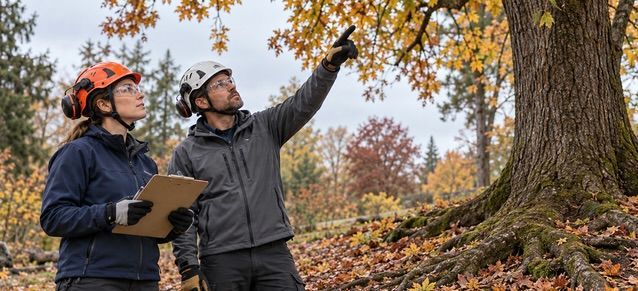
Professional arborists should inspect trees for:
- Dead, damaged, or weakened branches
- Cracks or decay in trunks and major limbs
- Unstable root systems or exposed roots
- Excessive leaning or uneven weight distribution
- Weak branch attachments and structural defects
Regular tree risk assessments help property owners make informed decisions about pruning, maintenance, or removal.
According to the University of Florida's Institute of Food and Agricultural Sciences (UF/IFAS), proper tree selection, structural pruning, and ongoing maintenance can improve a tree's ability to withstand hurricane conditions.
2. Use Proper Pruning Techniques to Reduce Storm Damage
Preventive tree pruning plays an important role in Florida hurricane preparedness.
Removing dead branches, correcting structural weaknesses, and maintaining healthy branch arrangements can reduce the risk of broken limbs during high winds.
However, improper pruning techniques, including excessive thinning and tree topping, can weaken trees and create additional hazards.
Professional arborists should focus on:
- Maintaining strong branch attachments
- Removing dead or structurally compromised limbs
- Improving overall tree structure
- Avoiding unnecessary removal of healthy foliage
- Evaluating trees near buildings, roads, and power lines
Effective pruning requires more than the right equipment. It also requires an understanding of tree biology, proper cutting techniques, and safe work positioning.
ArborMaster's professional tree climbing and safety training programs help tree care professionals develop the skills needed to perform challenging tree work more safely and efficiently.
3. Prioritize Chainsaw Safety During Hurricane Cleanup
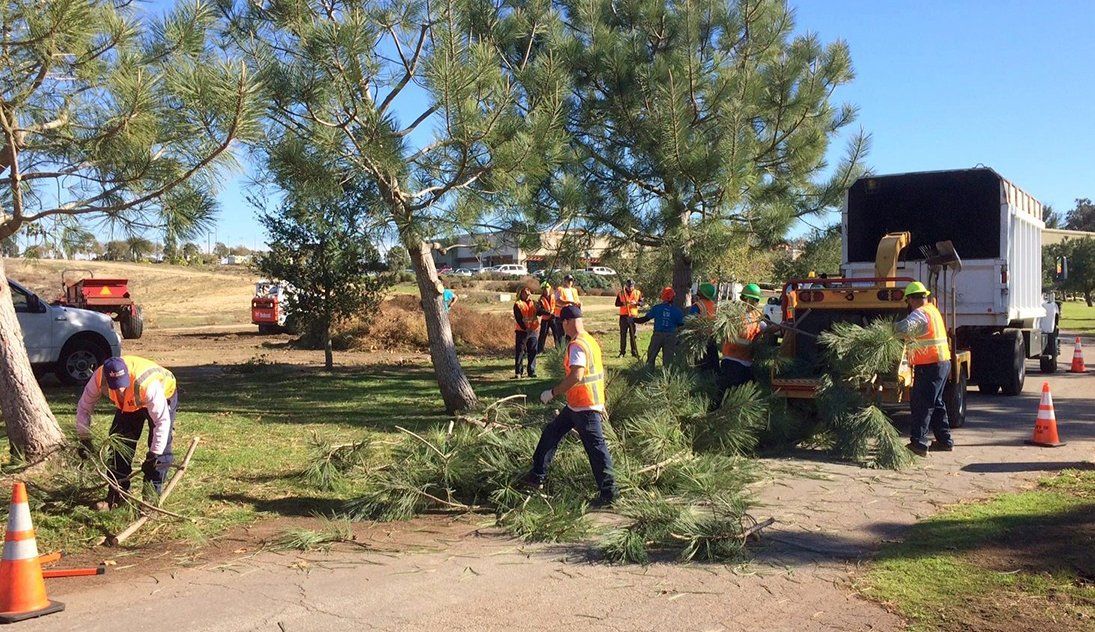
Following a hurricane, fallen trees and damaged branches can create urgent cleanup demands.
However, storm-damaged trees often contain unpredictable forces, including compressed limbs, tensioned wood, unstable trunks, and suspended branches.
These conditions can make chainsaw operations particularly dangerous.
Before beginning cleanup operations, professional crews should:
- Conduct a thorough jobsite hazard assessment
- Identify tension, compression, and potential movement in damaged wood
- Inspect chainsaws and required personal protective equipment
- Establish clear communication and exclusion zones
- Evaluate overhead hazards and electrical risks
- Stop work when conditions exceed the crew's training or capabilities
Chainsaw safety training is especially important during hurricane recovery, when workers may encounter unfamiliar cutting situations under significant time pressure.
ArborMaster's L1 Precision Tree Felling, Chainsaw Safety & Handling training emphasizes systematic planning, safe chainsaw handling, precision cutting techniques, and risk management.
4. Prepare Crews for Complex Tree Removal and Rigging
Hurricane-damaged trees frequently require specialized climbing, rigging, and dismantling techniques.
Trees leaning against structures, broken limbs suspended overhead, and unstable branches can create complicated removal situations.
Before beginning these operations, professional crews must evaluate tree stability, establish safe work procedures, and determine whether climbing, aerial lift access, or other equipment is appropriate.
Workers should never climb structurally compromised trees without a qualified assessment confirming that the planned operation can be performed safely.
Professional arborist rigging training helps crews understand load management, equipment selection, mechanical advantage, and controlled tree dismantling.
Explore ArborMaster's arborist climbing and rigging courses to strengthen your team's technical skills and jobsite safety practices.
5. Build a Hurricane Response Plan Before the Storm
Effective hurricane preparedness requires more than equipment inspections and tree maintenance.
Tree care companies should establish a comprehensive storm response plan that addresses crew safety, emergency communications, equipment readiness, and operational priorities.
A strong plan should include designated responsibilities, evacuation procedures, emergency contacts, and protocols for evaluating storm-damaged worksites.
Crews should also account for flooding, downed electrical lines, unstable ground, fatigue, and limited emergency services following severe weather.
No cleanup operation should begin until conditions are safe and appropriate hazards have been assessed.
Prepare Your Florida Tree Care Crew With ArborMaster
Hurricane preparedness is an ongoing responsibility for Florida's tree care industry. Investing in professional training before storm season helps crews develop the knowledge, judgment, and practical skills needed for challenging tree care operations.
ArborMaster is offering hands-on arborist training in Bradenton, Florida, in February 2027, including:
- February 15–17: L1 Tree Climbing Methods, Work Positioning & Best Practice
- February 18–19: L1 Precision Tree Felling, Chainsaw Safety & Handling
- February 22–24: L1 Arborist Rigging Applications for Climbers and Aerial Lift Users
Prepare your team before the next hurricane season.
Explore ArborMaster's Florida Training Schedule and Register Today
Latest Posts: