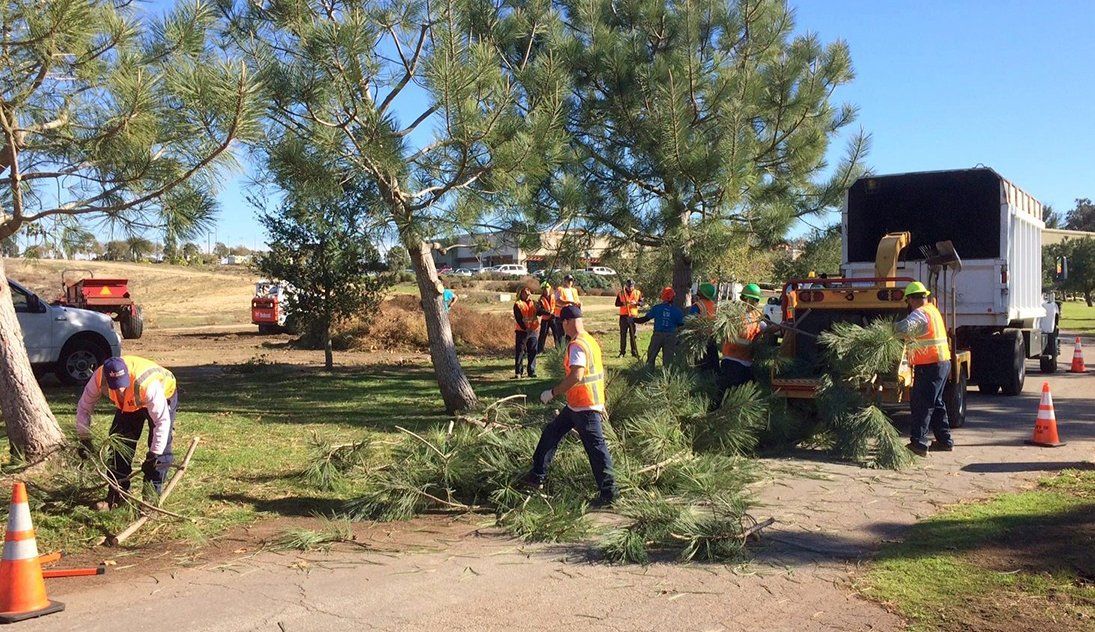
Fall Tree Work Safety
What Arborists Should Reassess as Conditions Change
Fall can be one of the busiest times of year for tree care professionals. Cooler temperatures make outdoor work more comfortable, leaves begin to drop, and property owners often turn their attention to pruning, removals, storm preparation, and other seasonal tree work.
However, changing seasons also bring changing jobsite conditions.
Shorter days, wet leaves, colder mornings, unpredictable weather, and changing ground conditions can all affect how tree work is planned and performed. For professional arborists and tree care crews, fall is a good time to reassess the everyday practices that help support safety, skill, and productivity.
Here are several areas crews should keep top of mind as conditions change.
1. Plan Around Shorter Daylight Hours
One of the most noticeable changes during fall is the loss of daylight.
A job that could comfortably be completed during the summer may leave much less margin for delays in October or November. Reduced visibility can make it more difficult to identify hazards, inspect equipment, communicate between crew members, and perform detailed cutting or rigging work.
Before work begins, crews should consider how much usable daylight is available and build that into the job plan.
Whenever possible, complete the most technical or demanding portions of the job while visibility is at its best. Avoid letting production pressure turn the final hour of the day into a race against darkness.
Good tree care safety starts with realistic planning.
2. Pay More Attention to Footing and Ground Conditions
Wet leaves, mud, frost, and uneven terrain can quickly change the conditions around a tree.
Something as simple as a layer of leaves can hide roots, holes, rocks, branches, or other obstacles. For climbers and ground crews alike, changing footing can increase the potential for slips, trips, and loss of balance.
Before work begins, take time to inspect and organize the work area.
Clear unnecessary debris where practical, identify uneven or unstable ground, and establish designated work zones and travel paths for crew members.
The same principle applies above ground. Arborists should continually evaluate their position and movement while working aloft. ArborMaster's Tree Climbing Methods, Work Positioning & Best Practice training focuses on climbing systems, work positioning, equipment, risk management, and techniques designed to help tree professionals work more safely and efficiently.
3. Reevaluate PPE for Changing Temperatures
Personal protective equipment is essential year-round, but fall weather can require some adjustments.
Cool mornings may tempt workers to add bulky clothing, while warmer afternoons can quickly make those same layers uncomfortable. Rain introduces another consideration.
The goal should be to stay protected without allowing additional clothing or rain gear to interfere with movement, visibility, hearing protection, climbing systems, or equipment operation.
Crews should make sure required PPE remains properly fitted and functional throughout the workday.
Depending on the task, this can include helmets or hard hats, eye and hearing protection, work boots, gloves, and chainsaw protective pants or chaps.
4. Give Equipment a Closer Look
Seasonal changes are also a good reminder to inspect the equipment crews depend on every day.
Chainsaws, ropes, climbing systems, rigging equipment, lanyards, harnesses, carabiners, and other gear should be inspected regularly and maintained according to manufacturer requirements and company procedures.
Wet conditions can introduce additional moisture, dirt, and debris. Equipment that is stored wet or dirty may also require extra attention before the next use.
Chainsaw operators should pay particular attention to saw condition, chain sharpness, controls, and general maintenance.
ArborMaster's Precision Tree Felling, Chainsaw Safety & Handling training emphasizes safety and risk management, chainsaw handling and operation, precision cutting methods, planning procedures, and preventative maintenance.
5. Adjust the Job Plan as Conditions Change
One of the most important elements of fall tree work safety is recognizing that the plan created at the beginning of the day may need to change.
Rain can begin unexpectedly. Wind can increase. Temperatures can drop. Ground conditions can deteriorate. Visibility can change.
Tree care professionals should continually reassess the work environment rather than assuming conditions will remain the same throughout the job.
That is especially important during climbing, rigging, tree removal, and precision felling operations where changes in conditions can influence the way work should be performed.
A strong job plan should identify hazards, establish responsibilities, consider equipment and techniques, and provide room to adjust when conditions change.
6. Keep Safety, Skill and Productivity Connected
Seasonal safety isn't simply about adding another checklist.
It is about developing crews that consistently evaluate conditions, make informed decisions, communicate effectively, and apply the right techniques for the work in front of them.
That philosophy is central to ArborMaster's approach to professional arborist development. Through private on-site training, open enrollment programs, and workforce development initiatives, ArborMaster helps tree care professionals build the practical skills needed to improve safety, skill, and productivity in the field.
Prepare for the Conditions, Not Just the Job
Fall brings new opportunities for tree care work, but it also changes the environment crews work in every day.
Shorter daylight hours, wet surfaces, colder temperatures, changing footing, and unpredictable weather all make ongoing jobsite assessment especially important.
Taking a few extra minutes to inspect equipment, review PPE, evaluate the work area, and adjust the job plan can help crews approach fall tree work with greater awareness and preparation.
For organizations looking to strengthen their team's professional development, explore ArborMaster's
training programs and workforce development options and discover how ArborMaster helps tree care professionals.
Be Safer. Do More.
Latest Posts: